
Relieve Low Back Pain With Exercise and At-Home Care
Published:
Authors: Therabody Scientists: Tim Roberts, MSc; Kyle Silvey, PhD, CSCS; Michelle Darian, MS, MPH, RD, LDN
Lower back pain is an all too common and pervasive complaint and may feel like a dull ache, sharp jolt, or tingling that spreads into the hips, glutes, or legs. The World Health Organization estimated that in 2020, an astonishing 619 million people globally were affected by this condition. [1]
You’re likely familiar with the dull, achy sensation, a sharp jolt, tingling, or burning stemming from the lower half of your back and even radiating into your glutes, hips, or legs. While low back pain becomes more prevalent with age, anyone can be affected, with the group most at risk being between the ages of 50 and 55. [1]
The longer lower back pain persists, the harder it can be to recover from. This makes early prevention and relief strategies especially important. Today, treatment options go beyond medications like NSAIDS (over-the-counter painkillers) and clinical care, with a growing number of at-home solutions designed to help relieve low back pain and support long-term back health.
Here’s what to know about lower back pain, including common causes, prevention habits, and effective solutions for lasting relief.

What is acute vs. chronic low back pain?
Low back pain is often split into two categories: acute or chronic pain. Acute refers to short-term pain that only lasts a few days to a few weeks. It typically results from a sudden injury to the muscles or ligaments supporting the spine. The pain often resolves with the injury (and the necessary rehabilitation), and there are few to no long-term implications. [2]
When pain lingers or builds gradually, it’s considered chronic back pain. Chronic pain persists for 12 weeks or more — often worsening as time goes on. It is often caused by one or a combination of structural problems, like changes in the spine, discs, muscles, ligaments, or nerves of the back, inflammation, or another medical condition. [3]
What causes chronic low back pain?
Almost everyone will experience some type of back pain in their lifetime. Here are four common causes: [4]
- Age: Low back pain becomes more common as you get older (most at risk being between the ages of 50 and 55). [1] Things that may not have aggravated your back previously (say, sleeping in an unconventional position) may become more noticeable. Aging is typically accompanied by muscle mass loss and weight gain from fat accumulation — creating the perfect storm for poor back support. Many people have their first low back pain episode between the ages of 30 and 50.
- Sedentary lifestyle: People who are less physically active are more prone to back pain. Lesser-used back muscles may not be equipped to provide the needed support to the spine, leading to pressure buildup.
- Repeated physical stress: This is most often seen in people whose jobs require heavy lifting, twisting of the torso, or prolonged standing. These motions also relate to people who exercise without sufficient recovery.
- Poor posture: Folks working desk jobs that require prolonged periods of sitting are also likely to experience back pain — especially if using a chair with minimal back support.

When should I see a doctor for low back pain?
All back pain is serious, but some types are more emergent, and seeing your doctor is recommended. If you have pain after a traumatic event (such as a car crash or sports injury) or pain accompanied by loss of bladder or bowel control or a fever, it may warrant an emergency room visit.
Alert your doctor or health care provider if the pain you’re experiencing is consistently intense (especially when lying down), spreads down the legs, causes weakness or tingling, or is red and swollen. This type of pain may require more medical treatment than lifestyle adjustments alone. [5]
If you’re experiencing some discomfort when bending over or lifting things or notice intermittent discomfort, stiffness after sleeping, or general tightness, it may be a sign that chronic back pain is starting to accumulate.
Remember, chronic pain is persistent. Even if it starts as intermittent, it may become more continuous and disruptive to your life if it’s not addressed.
How to relieve low back pain with diet and exercise
Several lifestyle habits are well within your control that can help prevent, relieve, and mitigate low back pain. [6]
- Stay physically active: One of the most important things folks with low back pain can do is get movement and exercise daily. Countless studies show that strength training (especially the core and back), endurance training (like running and walking), and stretching help relieve nonspecific back pain. Pilates, tai chi, and yoga are beneficial as they build strength, balance, flexibility, and good posture. [7]
- Exercise, but don’t overdo it: If you’re starting a new exercise, ease yourself into a routine. It takes time to build strength. Going too hard, too fast, too frequently puts you at an increased risk of injury.
- Prioritize exercise recovery: You may experience low back tightness after workouts you once breezed through. If you fall into this bucket, ensure you are taking the time to recover.
- Eat an anti-inflammatory diet: Research shows that people eating a pro-inflammatory diet (ultra-processed foods and those high in refined sugar) are more likely to have low back pain. An anti-inflammatory diet full of fruits, vegetables, whole grains, nuts, seeds, and lean protein is associated with a lower risk of developing chronic back pain. [8]
Your healthcare provider should be involved in your treatment plan for back pain, and they may recommend a personalized program with a physical therapist.

What at-home therapies can help relieve low back pain?
In addition to diet and exercise, recent advances in science-backed therapies have evolved to help relieve low back pain.
One of the most innovative solutions is a 4-in-1 wearable device that delivers heat, vibration, and near and far infrared light therapy directly to the lower back, Therabody’s® ThermBack LED.
- Heat therapy, the direct application of heat to a treatment area, can stimulate blood flow and alleviate both acute and chronic pain. While cold therapy can help ease the pain for other parts of the body, there is limited evidence of its role in back pain. So, heat therapy may be the better option in this case. [9]
- Vibration therapy is a gentle, rhythmic, massage-like pressure applied to tight muscles that can help relieve pain. Vibration feels relaxing and it also helps stimulate blood flow to the treatment area. [10]
- Far infrared light therapy penetrates deep into the skin, creating a warming sensation. It can improve blood circulation, promote injury healing, and help alleviate feelings of pain. [11]
- Near infrared light therapy also reaches deep into the muscles and joints to reduce inflammation and speed up the body’s natural healing process. [12]
These four therapies run simultaneously, and there are benefits to combining them in a single treatment session. A clinical trial found that ThermBack LED significantly reduces lower back pain compared to a control condition. In the trial, 94% of participants reported relief from their lower back pain, and 81% said the device provided both immediate and longer-term pain relief. Participants also experienced meaningful reductions in pain intensity over the study period, alongside improvements in daily functioning and mobility. Read more about the study here.

Additional therapies that can help alleviate low back pain include:
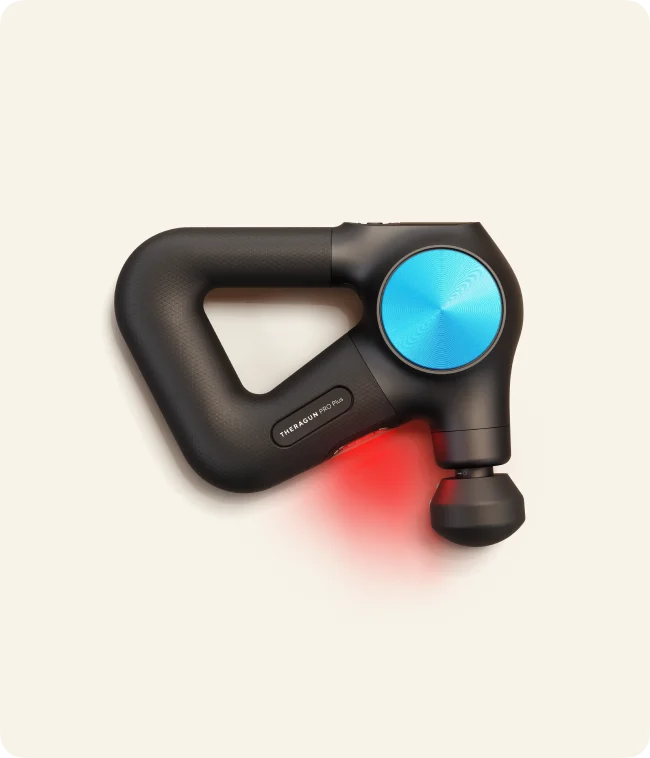
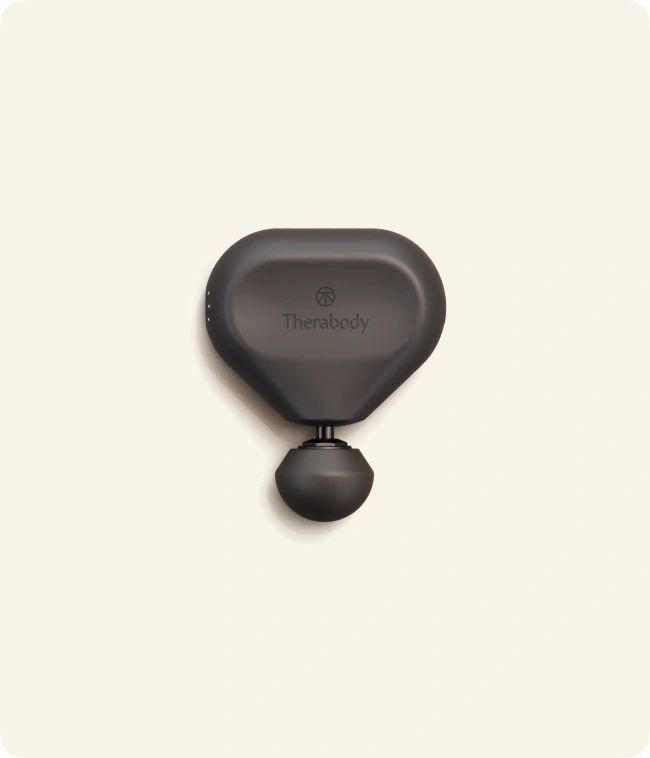
- Percussive therapy: Percussive therapy is the rapid and repetitive application of pressure to the body — typically with a massage gun. Percussive therapy can treat the areas of the body adjacent to the area of pain. When we experience pain, the nervous system tries to protect the area, causing the muscles around it to become tight and sore themselves. Treating surrounding muscles can help relieve tension, reducing pain in the adjacent area. [13]
- Cupping: Cupping is a therapy that applies local suction to the skin through a heated cup. Cupping can help you feel physically and mentally relaxed — increasing the body’s natural opioid production in the brain, which can help pain control. [14] One study even found that cupping reduced perceived low back pain more than common over-the-counter pain relief medications (NSAIDs). [15] Wellness clinics provide cupping services, and there are some cupping devices you can use at home.

The future of at-home solutions for low back pain
The last two decades have delivered critical advancements in treating low back pain. From the increased number and type of professionals who can treat low back pain to at-home technological treatments, low back pain is no longer unescapable. And as we look to the future, the treatment of low back pain will evolve to exist both at home and in-clinic so that treatment is accessible, effective, and efficient.
Key Takeaways
- Low back pain is common, and it starts earlier than you think (around 50 or 55).
- Low back pain should be addressed right away — although sometimes it’s tricky to spot as it arises gradually.
- Certain lifestyle habits like exercising regularly, recovering well, and eating an inflammatory diet can help you relieve and prevent the discomfort of low back pain.
- Research shows that heat, vibration, infrared light, cupping, and percussive therapies help relieve low back pain.
- ThermLED is scientifically proven to reduce lower back pain with consistent use.
*This article provides general information and discussions about health and related subjects. The information provided in this article and any linked materials are not intended for and should not be construed as medical advice, nor is the information a substitute for professional medical advice, diagnosis, or treatment.
References:
- Low back pain: WHO
- Acute and chronic low back pain
- Chronic Low Back Pain: A Narrative Review of Recent International Guidelines for Diagnosis and Conservative Treatment
- Pain: NIH
- Back Pain: NIH
- Lifestyle Medicine for Chronic Lower Back Pain: An Evidence-Based Approach
- Low back pain: Learn More – Why movement is so important for back pain
- Major dietary patterns in relation to chronic low back pain; a cross-sectional study from RaNCD cohort
- A Role for Superficial Heat Therapy in the Management of Non-Specific, Mild-to-Moderate Low Back Pain in Current Clinical Practice: A Narrative Review
- Vibrations and their applications in sport. A review
- Infrared Radiation in the Management of Musculoskeletal Conditions and Chronic Pain: A Systematic Review
- Infrared therapy for chronic low back pain: a randomized, controlled trial
- The Effect Of Percussive Therapy On Musculoskeletal Performance And Experiences Of Pain: A Systematic Literature Review
- The effect of moving cupping therapy on nonspecific low back pain
- Infrared Radiation in the Management of Musculoskeletal Conditions and Chronic Pain: A Systematic Review